
Diabetic Eye Exam
Living with diabetes means paying close attention to your health—including your vision. Diabetic eye disease often develops silently, without pain or early symptoms. Regular diabetic eye exams are one of the most important steps you can take to protect your sight.
At Zdenek Eye Institute, we provide comprehensive diabetic eye care using advanced diagnostic technology and personalized treatment plans.
Why diabetic eye exams are essential?
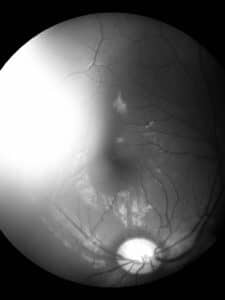
Diabetes can damage the tiny blood vessels in the back of your eye (the retina), leading to several serious conditions:
- Diabetic retinopathy: Damage to retinal blood vessels that can cause bleeding, swelling, and vision loss.
- Diabetic macular edema: Swelling in the central part of the retina (macula) that affects sharp, detailed vision.
- Glaucoma and cataracts: People with diabetes have a higher risk of developing both.
Many of these conditions do not cause noticeable symptoms until the disease is advanced. A diabetic eye exam allows us to detect changes early—when treatment is most effective.
How often should you have a diabetic eye exam?
General guidelines (your primary doctor or Dr. Zdenek may adjust this for you):
- Type 1 diabetes: First exam within 5 years of diagnosis, then every year.
- Type 2 diabetes: Eye exam at the time of diagnosis, then every year.
- Pregnancy with diabetes: Eye exam before pregnancy or early in the first trimester, with follow-up as recommended.
If we find signs of diabetic eye disease, we may recommend more frequent visits to closely monitor and treat changes.
What to expect during your diabetic eye exam
Your visit is designed to be thorough, comfortable, and informative. A typical diabetic eye exam includes:
1. Medical and vision history
- Review of your health: We’ll discuss your diabetes history, blood sugar control, medications, and any vision changes.
- Vision check: We measure how clearly you see at different distances.
2. Pupil dilation
- Dilating drops: We place drops in your eyes to gently widen (dilate) your pupils.
- Why it matters: Dilation allows us to see the retina, macula, and optic nerve in detail, which is crucial for detecting diabetic changes.
Your near vision may be blurry and you may be light-sensitive for a few hours, so bringing sunglasses and planning not to drive immediately afterward is often helpful.
3. Retinal examination and imaging
Using specialized lenses and advanced imaging, we carefully examine the back of your eye:
- Retinal evaluation: We look for bleeding, swelling, new or abnormal blood vessels, and other signs of diabetic retinopathy.
- Optical Coherence Tomography (OCT): A painless scan that shows cross-sectional images of the retina to detect swelling or fluid.
- Retinal photography: High-resolution photos to document and track changes over time.
4. Discussion and plan
After your exam, we review:
- Your results: What we see, what it means, and whether there are any signs of diabetic eye disease.
- Next steps: Monitoring schedule, treatment options if needed, and how your blood sugar, blood pressure, and cholesterol affect your eyes.
- Communication with your doctor: With your permission, we can share our findings with your primary care physician or endocrinologist.
Treatment options for diabetic eye disease
If we detect diabetic eye changes, early intervention can help preserve your vision. Depending on your condition, treatment may include:
- Careful monitoring: Mild changes may only require more frequent exams and tighter systemic control.
- Medication injections: Anti-VEGF or steroid injections into the eye to reduce swelling and prevent abnormal blood vessel growth.
- Laser treatment: To seal leaking blood vessels or prevent further damage in advanced retinopathy.
- Surgery (vitrectomy): For severe bleeding or scar tissue that threatens vision.
We tailor every treatment plan to your specific needs and coordinate closely with your diabetes care team.
How you can protect your vision
Your daily choices play a powerful role in protecting your eyes:
- Maintain good blood sugar control
- Manage blood pressure and cholesterol
- Avoid smoking
- Keep all recommended eye appointments
- Report any sudden changes in vision, such as blurred vision, floaters, dark spots, or flashes of light
Even if your vision seems fine, regular diabetic eye exams are essential—damage can occur long before you notice symptoms.
Contact Us
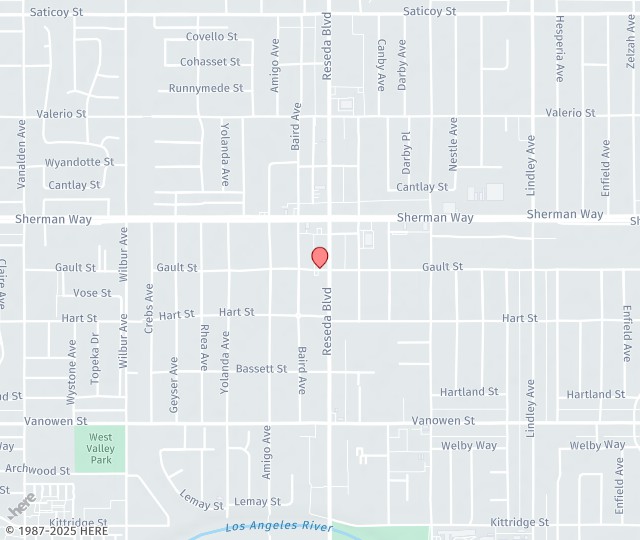
Zdenek Eye Institute
Office Hours
Monday: 8am – 5pm
Tuesday: 8am – 5pm
Wednesday: 8am – 5pm
Thursday: 8am – 5pm
Friday: 8am – 5pm
Closed Weekends
Your vision and your situation is unique and Dr. Zdenek will personalize your treatment plan according to your vision and your eyeballs. Follow the link to schedule your appointment today.
Have a Question? Contact Us
Dr. Zdenek has been a practicing Ophthalmologist since 1981 in Reseda, California. With over 30 years of experience in the Eye world, he has seen every eye problem imaginable. Dr. Zdenek has developed a Team that is very knowledgeable in just about everything eyes. Have questions about your Diabetes? We can help.
* All indicated fields must be completed.
Please include non-medical questions and correspondence only.