
Blepharitis is a common eye condition that causes inflammation of the eyelids. It can be uncomfortable and chronic, but with the right daily care most people can control their symptoms and protect their vision.
Blepharitis is not contagious and usually does not cause permanent damage to eyesight, but it can lead to other eye problems if not managed.
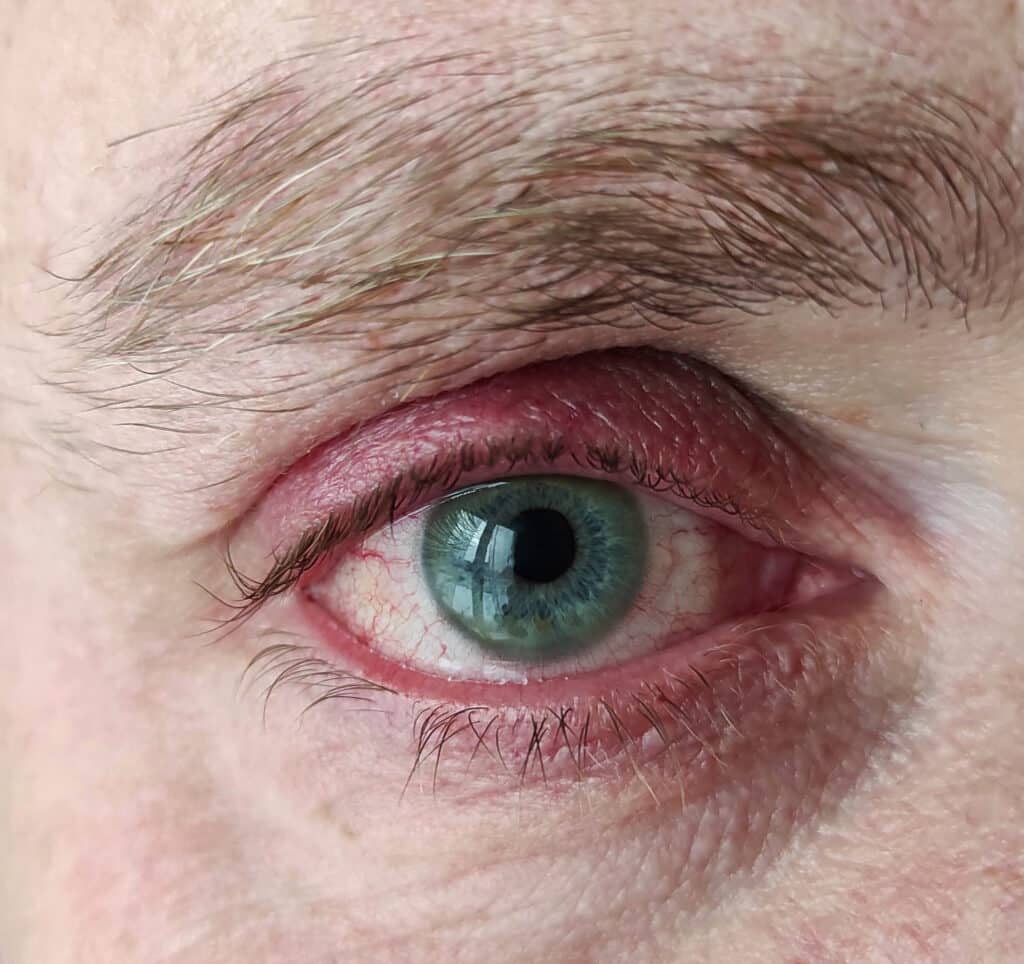
Symptoms
Common signs and symptoms of blepharitis include:
• Irritation: Burning, stinging, or a gritty “sand in the eye” feeling
• Redness and swelling: Red, puffy eyelids or red eyes
• Crusting and flakes: Crusty eyelashes, especially on waking; dandruff like flakes on the lashes
• Tearing changes: Watery eyes or tears that look foamy or bubbly
• Light sensitivity: Discomfort in bright light
• Other changes: Itchy eyelids, more frequent blinking, eyelids sticking together in the morning, or blurred vision that often improves with blinking
If blepharitis is severe or long standing, it can sometimes cause lashes to fall out or grow in the wrong direction, or contribute to dry eye and styes.
Causes and risk factors
Blepharitis usually develops when there is:
• Bacterial overgrowth: Normally harmless bacteria on the skin become overpopulated along the eyelid margins
• Clogged oil glands: The meibomian glands in the eyelids become blocked or irritated
• Skin conditions: Dandruff (seborrheic dermatitis) or rosacea affecting the face and scalp
• Oily or sensitive skin: Oily skin, allergies, or sensitivity to cosmetics or skin products
You may be more likely to develop blepharitis if you have dandruff, rosacea, oily skin, or a history of allergies that affect the eyes.
How is Blepharitis Diagnosed?
Dr. Zdenek can diagnose blepharitis during your comprehensive eye exam. He will examine your eyelids, eyelashes, and the front surface of your eyes, he may also press gently on the eyelids to check the oil glands. In some cases, he may swab the eyelid or take an eyelash sample to rule out infection or mites.
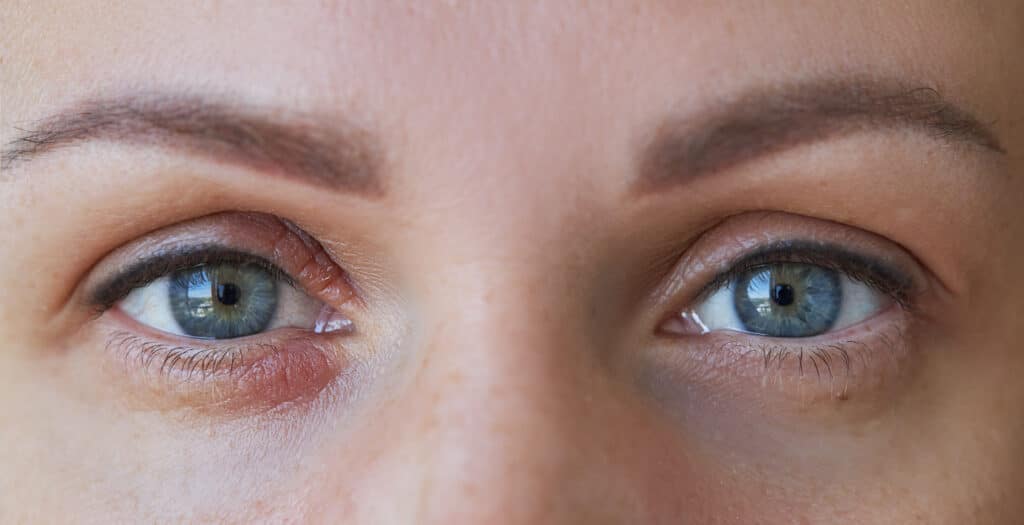
Treatment and self-care
Blepharitis is usually a long‑term condition, but daily eyelid care can significantly reduce symptoms and flare‑ups.Daily eyelid hygiene
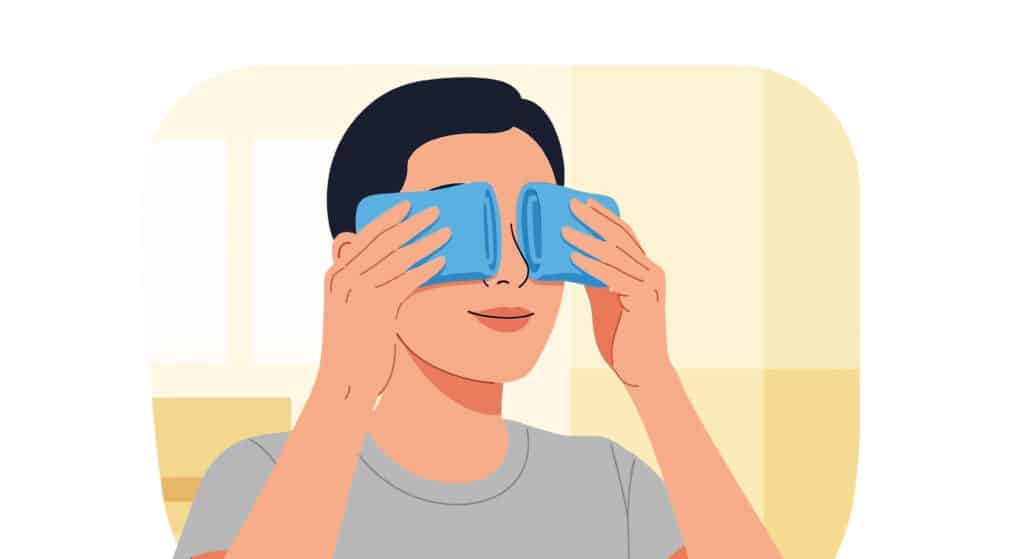
Warm Compress
Hold a clean, warm (not hot) washcloth over closed eyes for 5–10 minutes to loosen crusts and thin the oils in the glands.
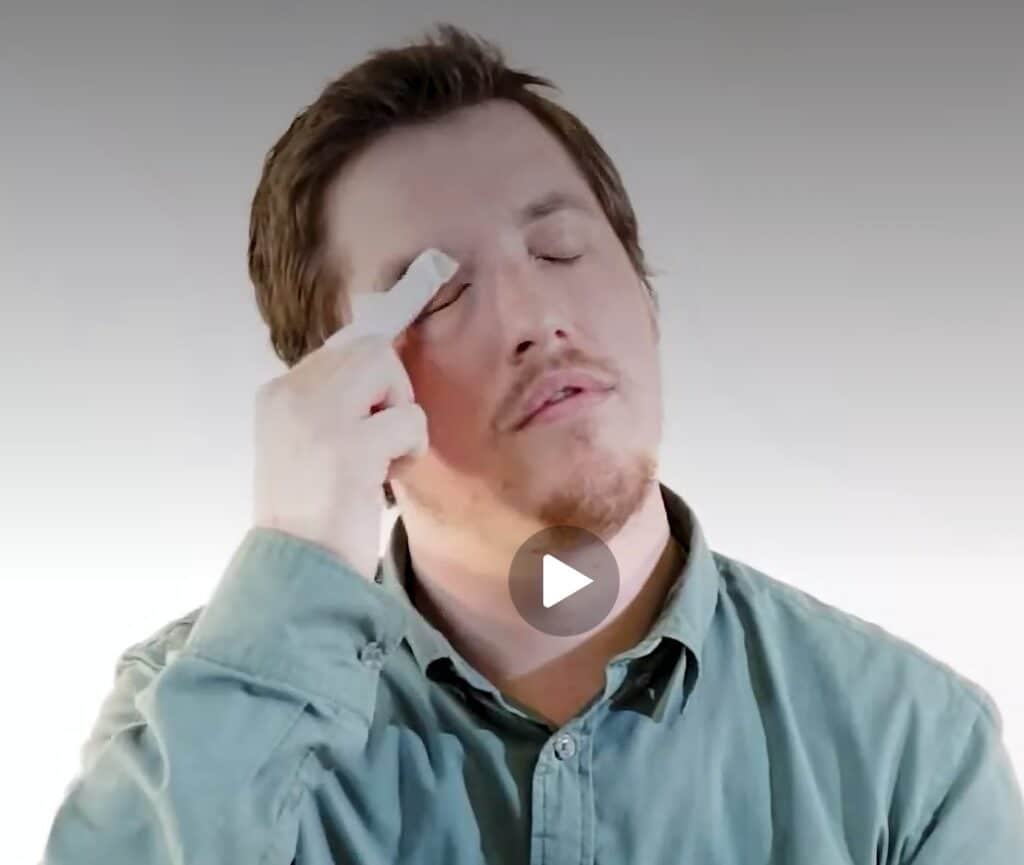
Lid Cleansing
Gently scrub the eyelid margins with a clean cloth, cotton pad, or commercial lid wipe. Dr. Z prefers Ocusoft Lid Scrub.
Makeup Habits
Remove eye makeup thoroughly every night. Avoid old or irritating eye cosmetics and consider pausing eye makeup during flares.
Medical Treatment
Depending on the cause and severity, Dr. Z may recommend medical treatment:
• Antibiotic drops or ointments for bacterial overgrowth
• Oral antibiotics for more severe or rosacea related cases
• Steroid eye drops or ointments for short periods to reduce inflammation
• Artificial tears to relieve dryness and irritation
• Treatment of skin conditions such as dandruff or rosacea in coordination with your primary care provider or dermatologist
Blepharitis often requires ongoing care rather than a one‑time cure. Building a simple daily routine—warm compresses, lid cleaning, and regular follow‑up with your eye doctor—can keep symptoms under control and reduce the risk of complications over time